Singleness, Sexuality, and the Work of Healing
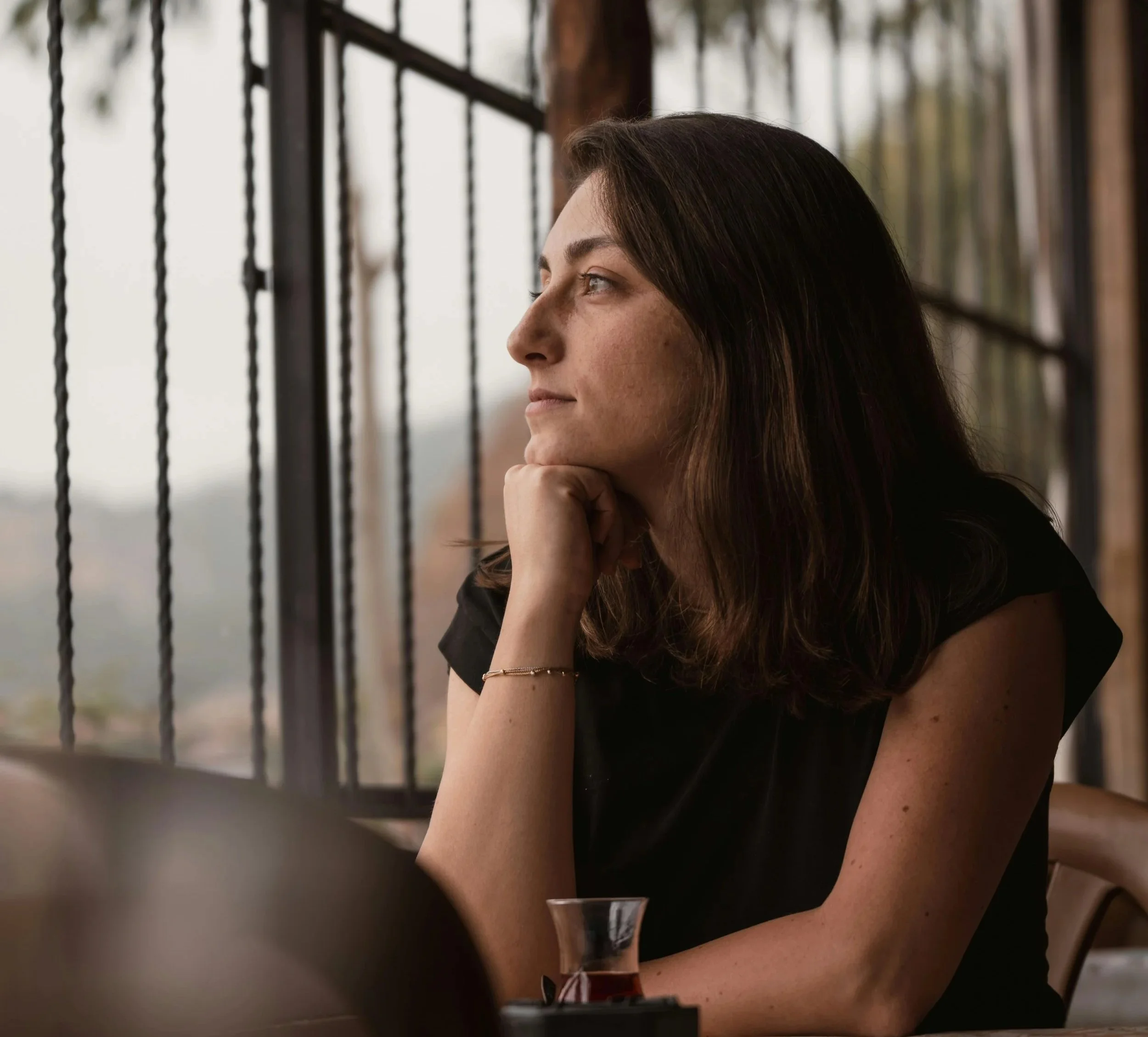
Singleness is Not a Waiting Room
Singleness is not a placeholder—it’s a place where God is still healing, restoring, and preparing your heart.
It was Saturday night, two years into my seven-year journey as a single Christian woman. I was determined not to spend another Saturday night in my pajamas and fuzzy slippers. I was going to wear my best outfit, style my hair, and actually attempt to put on makeup. This was the night I was taking my Jesus-loving, sassy, single self out on a date.
I mentioned it to my sister, and her response surprised me: “Oh my gosh, I could never do that. What would people say?”
“I’m taking myself out. I REALLY don’t care what people say!”
I went to my favorite restaurant, ate a delicious meal, and headed to the movies for a long-awaited rom-com. At the theater, I ran into a couple of acquaintances. The group asked the dreaded “single” question: “Who are you here with?”
I smiled from ear to ear. “Myself. I’m on a date with myself.”
There was a low but audible gasp from the group. You read that right—I’m not kidding. They gasped. It was like I had just told them I had contracted a disease. I got what I like to call the “I feel sorry for you” head tilt, along with an invitation to join them for the evening. I held my head high and politely declined.
BTW: I had a fantastic evening.
During my single season, I often felt like an outcast. So the topic of singleness is very dear to my heart. Let’s look at what the Word has to say about singleness: “To the unmarried and the widows I say that it is good for them to remain single, as I am. But if they cannot exercise self-control, they should marry. For it is better to marry than to burn with passion.” 1 Corinthians 7:8–9
(Additional Scripture references: 1 Cor. 6:19–20; 2 Tim. 2:22)
The Message Bible simplifies verse 7 this way:
“Sometimes I wish everyone were single like me—a simpler life in many ways! But celibacy is not for everyone any more than marriage is. God gives the gift of the single life to some, the gift of the married life to others.”
Paul makes it clear: singleness is not commanded—but it’s fully permitted. It’s a meaningful and faithful way to walk with the Lord.
Singleness Is a Full Life, Not a Waiting Room
Together, let’s address both sides of the single fence: those desiring to remain single and those who do not.
For those who remain single, if you have experienced negativity about this decision, stand firm. Despite what the culture—and even some church spaces—portray, singleness is not a dilemma that needs to be dealt with.
And for those healing from sexual abuse, this truth carries even more weight: Singleness is not evidence that something is wrong with you.
Many survivors quietly wrestle with questions around trust, safety, and discernment. Dating can feel complicated—not because you are incapable of a relationship, but because your heart has learned, through experience, that trust and vulnerability don’t always come easily.
You are not lacking. You are not incomplete.
Marriage does not make a person whole. Singleness is a full life, not a waiting room. Both singleness and marriage come with their own set of challenges, and God, in His wisdom, gives us the freedom to walk faithfully in either.
There’s also something deeply valuable in this season—undivided time with the Lord. Paul saw this as a gift, not a burden. For those healing, this is not just time to “wait”—it’s time to be restored, strengthened, and rooted.
My deepest, most intimate moments of healing came in the years I spent single. In hindsight, I would not trade that time for anything.
When You Desire a Relationship but Carry Wounds
For those who don’t want to remain single, Paul does not dismiss that desire—but he does give firm guidance.
For survivors of sexual abuse, dating can feel especially complex. It requires vulnerability, trust, and the ability to discern wisely—areas that may have been violated in the past.
It can be difficult to know:
What is a legitimate red flag versus fear rooted in past trauma?
How do I build a healthy relationship?
And the deep, dark lie: Am I even capable of a healthy relationship?
That tension is real. And it deserves patience—not pressure or others’ expectations of your timeline.
You are not called to rush into a relationship to prove that you’re okay. You are not behind. You’re not missing out. Your past trauma does not disqualify you from a healthy, godly relationship.
But you are invited into the work of healing so that when you do move toward a relationship, you can do so with clarity, self-awareness, and discernment—not confusion or fear leading the way.
Sexuality, Integrity, and Restoration
Now, the countercultural “hard stuff”: “But celibacy is not for everyone…” The Bible clearly teaches that with singleness comes celibacy.
Take it from me—celibacy is hard. But sexuality is one of the most visible and contested areas of our faith. The question is not just what we believe—but whether we walk it out.
Your body is a temple for the Holy Spirit (1 Cor. 6:19–20), and we are called to flee youthful passions and pursue righteousness (2 Tim. 2:22).
For survivors, this conversation must be approached with both care and truth: What was done to you was not your choice—but what you do moving forward is part of your healing. Your body is still sacred. Seeing your body as holy and sacred is very much a part of the healing journey.
God’s design for sexuality is not rooted in shame—it’s rooted in dignity and honor.
Choosing sexual integrity in singleness is not about striving for perfection. It is about living surrendered. In a culture that promotes pleasure over principles, a life of self-control becomes a quiet but powerful testimony.
Marriage Is Not a Shortcut
The Apostle Paul is not encouraging believers to rush into marriage to resolve sexual desire. Marriage will not heal what has not been addressed. In fact, unhealed wounds often surface more clearly in close relationships.
Seeking a spouse is a serious and holy endeavor. We are not just looking for attraction—we are looking for character, consistency, and spiritual alignment.
A healthy, godly relationship will reflect:
A shared pursuit of the Lord
Safety
Respect
Emotional and spiritual maturity
A marriage covenant is lifelong. We must look beyond the bedroom when seeking a godly spouse.
Wherever you find yourself—content in singleness, longing for marriage, or navigating the complexities of healing—God meets you there. This is not about pressure or performance, but about walking honestly before Him and allowing His truth to shape your life.
Singleness is not a placeholder; it’s part of your story. And in this place, He is still working, still restoring, and still leading you forward.
Practice: Living What You Believe
Here’s an exercise for both married and single readers:
Write down your profession of faith in the area of sexuality. Over the next couple of weeks, take an honest evaluation of anything that contradicts those beliefs.
Consider your influences—music, entertainment, and relationships—and how they shape your thinking. Are there areas where your beliefs and your behaviors are misaligned?
If repentance is necessary, run to the Lord for forgiveness. If healing is needed, pursue it intentionally and patiently.
You don’t have to navigate this alone.
At Trees of Hope, we offer Christ-centered support through our in-person and online Shelter healing groups. Experience healing in a way that honors your story.
To be part of our ongoing discussion about healing, follow us on Instagram or check out our podcast, Not Just a Hashtag, or watch our videos on YouTube. These spaces were created to help you walk in truth, rebuild trust, and find language for your healing journey.
Pray
Dear Lord, help me to abide in the center of Your divine will. Give me a reverence and renewed seriousness to treat my body as Your temple. Allow me to consistently seek Your direction, wisdom, and strength as I flee from passions and pursue righteousness. If You want me single, I will obey. If You want me married, I trust You will grow me, heal me, and prepare me for my spouse. In Jesus’ name, Amen.